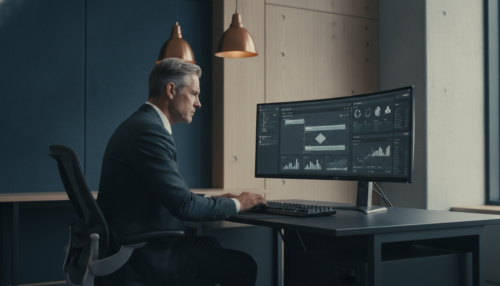
In the fast-paced world of technology, every organization wants productive, engaged developers. But how often do your engineers truly experience that magical state of “flow” – deep focus where ideas just click and code almost writes itself? We call this “vibe coding,” and it’s when developers aren’t just productive, but genuinely *love* what they’re doing. This leads to better quality and faster innovation.So, for large enterprises, does achieving this state often feel like a far-off dream? Complex systems, strict compliance rules, and layers of bureaucracy often kill the “vibe” before it even starts. The good news? You can absolutely foster “vibe coding” in your enterprise. It’s not about removing structure, but about building smart “guardrails” that guide your teams safely towards peak performance.
What Exactly is “Vibe Coding”?
Think about a time you were completely absorbed in a task. Time flew by. You felt energized and satisfied. That’s the “flow state” discovered by psychologist Mihaly Csikszentmihalyi. For developers, this means writing code smoothly, solving problems creatively, and seeing their work come to life without constant interruptions or roadblocks. It’s about being in sync with their tools and their team.This isn’t just about individual happiness. A “vibe coding” environment leads to fewer bugs, higher quality solutions, and quicker delivery of new features. It helps attract and retain top talent, which is a huge competitive advantage for any enterprise in India’s booming tech sector.
The Enterprise Paradox: Guardrails as Enablers
Many people see enterprise guardrails – like security protocols, compliance checks, and architectural standards – as hindrances. They believe these rules stifle creativity and slow things down. But this is a misunderstanding. When designed correctly, these guardrails don’t limit developers. Instead, they create a safe, predictable environment where developers can focus on innovation.Imagine driving a high-performance car on a race track. The barriers, pit crew, and clear rules aren’t there to slow you down. They’re there to ensure your safety and let you push the limits without fear of a major crash. Enterprise guardrails act similarly, providing a “paved road” for developers. They reduce decision fatigue, ensure quality, and prevent common pitfalls, allowing teams to confidently accelerate.
Fostering Enterprise Vibe Coding: The Pillars of Success
Building a culture of “vibe coding” within a large organization requires a multi-faceted approach. It touches on culture, tools, processes, and continuous learning.
1. Building a Culture of Trust and Safety
Let’s be honest, no developer can truly get into their flow if they’re constantly looking over their shoulder, fearing failure or blame. A psychologically safe environment is *absolutely foundational*. Leaders must encourage experimentation, openly discuss failures as learning opportunities, and celebrate successes. This builds trust within teams and across departments. When developers feel valued and secure, they are more likely to take calculated risks and contribute their best work. This culture shift starts at the top and trickles down, making every team member feel empowered.
2. Empowering Teams with Platform Engineering
One of the biggest blockers to “vibe coding” is complex infrastructure and repetitive setup tasks. This is where Platform Engineering shines. A dedicated platform team builds and maintains an Internal Developer Platform (IDP). This IDP provides developers with ready-to-use tools, automated deployment pipelines, and standardized services.By abstracting away infrastructure complexity, developers spend less time on tedious configuration and more time on the exciting core business logic. Imagine a well-stocked kitchen for a chef: they don’t have to build the stove; everything is ready for them to create culinary masterpieces. This significantly reduces their cognitive load, letting them slip into that coveted flow state faster. Imagine what your teams could achieve then!
3. Streamlining Processes with Smart Agile and DevOps
Let’s face it, traditional enterprise processes can be cumbersome. Long approval chains, excessive handoffs, and rigid workflows kill momentum. Modernizing with smart Agile and DevOps practices is crucial. This means focusing on continuous delivery, fast feedback loops, and automated quality checks.Agile principles, when scaled thoughtfully, promote smaller, autonomous teams. DevOps automation reduces manual tasks and waiting times. These improvements create a smoother journey from idea to deployment. When developers see their work quickly reaching users, it boosts their morale and reinforces their “vibe.”
4. Emphasizing Code Quality and Maintainability
While speed is important, quality cannot be overlooked. Messy code, poor documentation, and high technical debt can quickly destroy any “vibe.” Remember that familiar frustration when developers spend *hours* debugging or trying to untangle convoluted logic? That’s the vibe killer right there. Encourage practices like clean code, clear APIs, and comprehensive automated testing. These practices serve as guardrails themselves, ensuring that code is sustainable and easy to work with in the long run. Investing in these areas early prevents future headaches and keeps the “vibe” alive. It’s an investment that truly pays off.
Implementing Guardrails That Foster Flow
Effective guardrails are not about rigid rules that dictate every step. They are about providing clear boundaries and automated support.
Automated Security and Compliance
Security and compliance are non-negotiable for enterprises. Instead of manual checks that interrupt the development cycle, integrate automated security scanning and compliance checks directly into the CI/CD pipeline. This “shift left” approach catches issues early, provides immediate feedback, and ensures adherence to standards without slowing down developers. Policy-as-code makes these checks transparent and consistent.
Standardized, Yet Flexible Architectures
While standardizing architecture might sound restrictive, it can actually be quite freeing. By defining clear architectural patterns, like microservices and well-defined APIs, teams gain autonomy within those boundaries. They can innovate within their domain without worrying about breaking other parts of the system. This modular approach allows individual teams to maintain their “vibe” and move independently.
Actionable Insights Through Observability
Developers need to understand how their code performs in production. Robust observability tools provide real-time insights into application health, performance, and user impact. This immediate feedback helps developers diagnose issues quickly, learn from their deployments, and feel a stronger, more personal connection to their work. Proactive alerts mean less frantic firefighting, giving them precious time back for actual, creative coding. That’s a win for everyone.
Effective Knowledge Sharing
Nothing breaks a developer’s flow faster than searching endlessly for information. Establish strong knowledge management practices. This includes easily accessible documentation, clear architectural decision records, and “inner source” initiatives. Inner source encourages internal teams to share components and expertise like an open-source project. This reduces duplication of effort and ensures developers have the information they need at their fingertips. No more endless searching!
Measuring the Impact of “Enterprise Vibe Coding”
How do you know if your efforts are truly working? You can measure the “vibe” by looking at both qualitative and quantitative indicators.Qualitative metrics include regular developer satisfaction surveys, engagement levels in internal projects, and sentiment analysis from team meetings. Are developers happy? Do they feel supported? Are they recommending your company as a great place to work?Quantitative indicators can include:
- Lead Time for Changes: How quickly does code go from idea to production? Shorter times indicate less friction.
- Deployment Frequency: How often are new changes deployed? Higher frequency shows efficient processes.
- Change Failure Rate: How often do deployments cause issues? A lower rate indicates higher quality and better guardrails.
- Developer Retention: Are your best engineers staying longer? A positive vibe directly impacts this.
- Code Quality Metrics: Tools like SonarQube can track technical debt and code health, indicating sustainable practices.
These metrics, combined with qualitative feedback, paint a clear picture of your “Enterprise Vibe Coding” health. And that insight is priceless. By tracking them, you can continuously refine your strategies and demonstrate tangible business value to stakeholders and investors.
The Future is Flow: AI and the Evolving Developer Experience
The landscape of software development is constantly evolving. AI-assisted coding tools, like GitHub Copilot, are already enhancing developer flow by automating repetitive tasks and suggesting code snippets. Low-code and no-code platforms are freeing up developers to focus on more complex, strategic problems that require true “vibe coding.”Embracing these technologies, along with continuous investment in developer experience, will be key for enterprises looking to stay competitive. It’s about creating an environment where developers can truly leverage their skills, stay motivated, and deliver exceptional value.
Crafting a Thriving Enterprise Development Ecosystem
“Enterprise Vibe Coding” is not just a buzzword; it’s a strategic imperative. By thoughtfully designing guardrails, investing in platform engineering, fostering a culture of trust, and optimizing processes, enterprises can empower their developers to achieve peak performance. This leads to faster innovation, higher quality software, and ultimately, a much happier, more engaged workforce. It’s time to move beyond the hype and build a truly vibrant and productive development ecosystem.